KENTUCKY • OUTDOORS • RADIO

PORTABLE OPERATIONS
SAFETY GUIDE

Portable radio is an outdoor adventure — safety comes first. Choose a safe site, watch the weather, respect wildlife, and know when to shut down.

The full illustrated PDF is about 10 MB.

  • Look up: power lines, towers, trees and dead limbs.
  • Look down: snakes, ticks, plants, holes, roots and unstable ground.
  • Look around: weather, water, traffic, other visitors and your escape route.
  • Know your exit: know where you will go before an emergency starts.

This guide is an outdoor-safety reference for KPC members and guests. It is not a substitute for professional medical, emergency, park or wildlife guidance.

1. Pick the Site Before You Build the Station

The prettiest operating spot is not always the safest. Before the first stake goes into the ground, walk the area and identify hazards.

POWER LINES — GIVE THEM A WIDE BERTH

  • Never place an antenna, mast, pole or guy line where it could contact an overhead power line.
  • Look up before raising anything. Trace lines beyond the immediate campsite and consider where the antenna could fall.
  • Treat every overhead electrical line as energized.
  • If there is any realistic chance the mast or antenna could reach a power line, move the operating site.
  • If equipment contacts a power line, stay away, keep everyone else away and call 911/utility personnel. Do not touch the equipment.
KPC RULE

Don't measure for the minimum distance — choose a location with generous separation and a safe fall zone.

MASTS, ANTENNAS & GUY LINES

  • Use hardware rated for the antenna, mast height and expected weather.
  • Make guy lines visible and keep them out of walkways and vehicle paths.
  • Use bright flagging or other visible markers on low guy lines.
  • Route coax where it cannot become a trip hazard.
  • Do not climb improvised masts or trees to make adjustments.
  • Lower antennas before strong winds arrive — not after.

GROUND & CAMPSITE HAZARDS

  • Avoid cliff edges, steep unstable slopes, eroding banks and low areas that can flood.
  • Look above for dead limbs and damaged trees — a 'widow maker' can fall without warning.
  • Keep the operating area organized and maintain a clear path to the vehicle or shelter.
  • Keep generators, fuel and hot equipment away from tents and combustible materials.

2. Weather Safety — Know When to Stop

A successful activation is never worth staying outside when conditions become dangerous.

LIGHTNING

  • Hear thunder? Shut down and seek shelter.
  • A substantial enclosed building is preferred. A hard-topped enclosed vehicle is the next-best option.
  • Open pavilions, picnic shelters, tents and isolated trees are not safe lightning shelters.
  • Get out of water and avoid ridges, hilltops, isolated trees, fences and other conductive objects.
  • Wait at least 30 minutes after the last thunder before returning outside.
THE RADIO CAN WAIT.

If lightning is approaching, disconnect if it can be done safely, get to shelter and stay there.

WIND • HEAVY RAIN • FLOODING

  • Secure or lower antennas before strong gusts arrive.
  • Do not operate beneath large dead limbs when high winds are expected.
  • Avoid drainage channels, creek beds and low ground during heavy rain.
  • Never drive through a flooded roadway. Water can hide washed-out pavement and debris.

HEAT & COLD

  • Carry adequate water and take breaks before you become exhausted.
  • Use shade, appropriate clothing and sun protection in hot weather.
  • Stop and cool down if you develop dizziness, weakness, headache, nausea or confusion.
  • In cold weather, carry dry layers and watch for numbness, confusion, uncontrolled shivering or unusual fatigue.

3. Kentucky's Venomous Snakes

Kentucky has four venomous snake species: Eastern Copperhead, Northern/Western Cottonmouth, Timber Rattlesnake and Western Pygmy Rattlesnake. Most Kentucky snakes are harmless. If you cannot confidently identify a snake, treat it as potentially venomous and leave it alone.
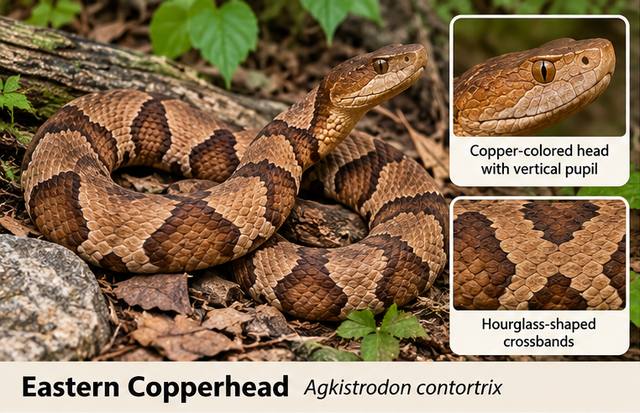
Eastern Copperhead (Agkistrodon contortrix): copper-colored head with vertical pupil; hourglass-shaped crossbands.
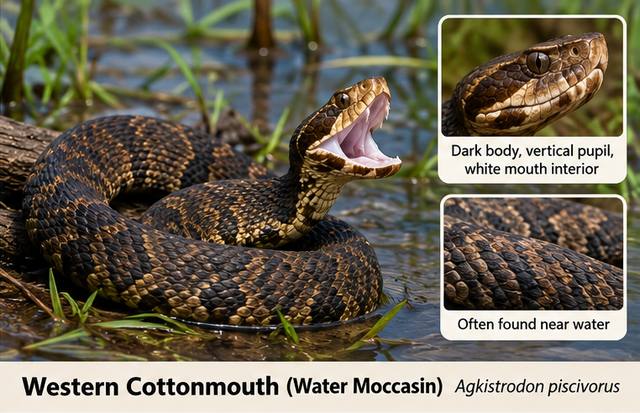
Western Cottonmouth or Water Moccasin (Agkistrodon piscivorus): dark body, vertical pupil, white mouth interior; often found near water.
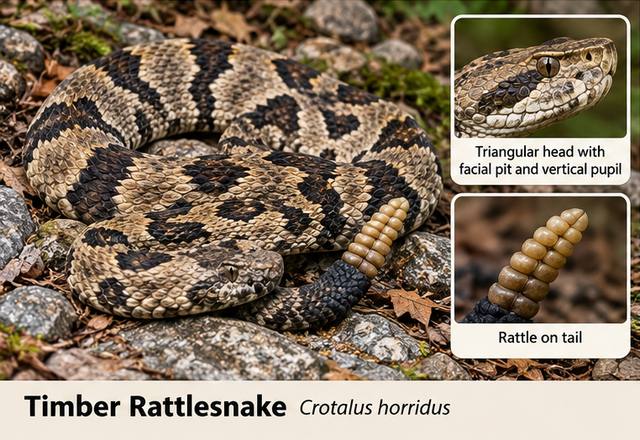
Timber Rattlesnake (Crotalus horridus): triangular head with facial pit and vertical pupil; rattle on tail.
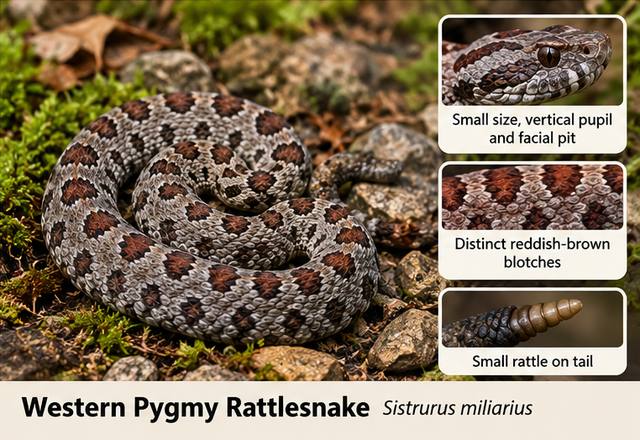
Western Pygmy Rattlesnake (Sistrurus miliarius): small size, vertical pupil and facial pit; distinct reddish-brown blotches; small rattle on tail.

Educational illustration. Use photographs and trusted field guides for confirmation; never approach a snake to identify it.

QUICK FIELD IDENTIFICATION

SNAKEWHAT TO LOOK FORPORTABLE-OPERATOR RESPONSE
Eastern CopperheadCopper/tan head; hourglass-shaped dark bands on a lighter body; pit-viper features.Back away. Do not handle or attempt to photograph up close.
Cottonmouth (Water Moccasin)Dark, heavy-bodied snake often associated with water; vertical pupils and facial pits. White mouth interior may be visible if threatened.Give it a wide berth, especially around shorelines and wet areas.
Timber RattlesnakeLarge heavy-bodied rattlesnake with dark bands/blotches and a rattle on the tail.Stop, increase distance and let it move away.
Western Pygmy RattlesnakeSmall rattlesnake with reddish-brown blotches and a small rattle; easy to overlook.Do not assume a small snake is harmless.

4. Snake Country — What Really Matters

Do not rely on a single 'old rule' such as head shape, body thickness, location near water or tail rattling. Kentucky Fish & Wildlife notes that harmless snakes can flatten their heads, and tail vibration is not unique to rattlesnakes.

USE THESE CLUES TO SUPPORT — NOT REPLACE — SAFE DISTANCE

  • Venomous Kentucky snakes are pit vipers: they have a heat-sensing pit between the eye and nostril and vertically elliptical pupils.
  • Harmless Kentucky snakes generally have round pupils.
  • A triangular/spade-shaped head can be a clue, but some harmless snakes flatten their heads when threatened.
  • Do not inspect a snake's eyes, head or tail by moving closer. Observe from a safe distance.
  • If you find shed skin, Kentucky Fish & Wildlife notes that tail-scale arrangement can help with identification — but do not search for a snake because of a shed.
BEST FIELD RULE

See snake → stop → step back → give it an escape route → continue only when the area is safe.

SNAKEBITE

  • Move away from the snake and stay calm.
  • Remove rings or restrictive items before swelling becomes severe.
  • Seek immediate medical attention. Do not attempt to capture or kill the snake.
  • Do not cut the wound, suck out venom, apply a tourniquet or use other improvised treatments.

Snake information: Kentucky Department of Fish & Wildlife Resources and University of Kentucky's Kentucky Snake Identification project.

5. Poisonous & Hazardous Plants of Kentucky

Not every hazardous plant is 'poisonous' in the same way. Some cause a skin reaction, some are toxic if eaten, and others can cause serious illness. Never eat a wild plant unless you have positively identified it using a trusted field guide.

COMMON FIELD HAZARDS

PLANTRECOGNIZE ITHAZARDPORTABLE RULE
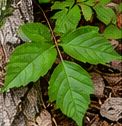
Poison IvyOften three leaflets; vine, shrub or ground cover. Leaf appearance changes with season.Urushiol causes an itchy allergic rash; oil is present on all parts, including dead plants.Avoid touching. Wear gloves when clearing vegetation; wash exposed skin promptly.
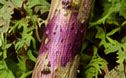
Poison HemlockTall plant; white umbrella-shaped flower clusters; stems may have purple/reddish spots.Highly poisonous if ingested.Do not handle or eat. Keep children and pets away.
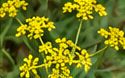
Wild ParsnipTall plant with yellow umbrella-shaped flowers and coarse leaves; common along roadsides and open areas.Sap can cause severe photosensitivity and skin injury after sunlight exposure.Do not pull or handle bare-handed. Cover skin and wash promptly after contact.
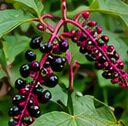
PokeweedTall plant with reddish-purple stems and dark purple/black berries.All parts contain toxic compounds; roots and seeds are especially concerning.Do not eat. Keep hands away from berries and roots.
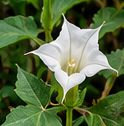
JimsonweedLarge weed with trumpet-shaped flowers and spiny seed pods.Toxic when ingested.Do not taste or handle unnecessarily.
PLANT SAFETY

If you cannot identify it, don't touch it, don't taste it, and don't burn it. Smoke from some plants can also be hazardous.

Sources: University of Kentucky Extension publications on poisonous plants and poison ivy, plus Kentucky agricultural weed resources.

Poisonous Plants of Kentucky — Know What to Look For

Know what to look for and avoid contact. Many plants can cause severe skin irritation, blisters or are toxic if eaten.
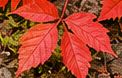
Poison ivy leaves of threePoison ivy in red fall color

Poison Ivy

Toxicodendron radicans
  • Leaves of three (usually)
  • Can be shiny or matte
  • Leaf edges can be smooth or slightly toothed
  • Can appear as a vine, shrub, or ground cover
  • Causes itchy rash, blisters and skin irritation
  • Can be present year-round
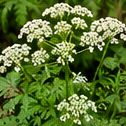
Poison hemlock white umbrella-shaped flower clustersPoison hemlock stem with purple blotches

Poison Hemlock

Conium maculatum
  • Tall plant (3–10 ft)
  • White umbrella-shaped flowers
  • Smooth, hollow stem with purple spots/blotches
  • Leaves resemble carrot or parsley (but smell unpleasant when crushed)
  • Highly toxic if ingested
  • Often found in fields, along roads, and disturbed areas
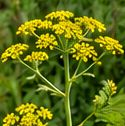
Wild parsnip yellow umbrella-shaped flowersWild parsnip flower clusters close up

Wild Parsnip

Pastinaca sativa
  • Tall plant (3–5 ft)
  • Yellow umbrella-shaped flowers
  • Leaves are deeply toothed
  • Sap can cause severe skin irritation and blistering when exposed to sunlight (photodermatitis)
  • Common along roadsides, fields, and open areas
Pokeweed with reddish stems and dark berriesPokeweed dark purple berry clusters

Pokeweed

Phytolacca americana
  • Tall plant (3–8 ft)
  • Reddish/purple stems
  • Greenish-white flowers
  • Dark purple/black berries in clusters (toxic)
  • All parts can be toxic if ingested, especially berries and roots
  • Common in fields, forest edges, and disturbed areas
Jimsonweed white trumpet-shaped flowerJimsonweed spiny seed pod

Jimsonweed

Datura stramonium
  • Large, trumpet-shaped white or purple-tinged flowers
  • Spiny seed pods
  • Leaves are large with wavy edges
  • All parts are toxic if ingested
  • Can cause serious illness, hallucinations, and even be fatal
  • Often found in disturbed soil, fields, and along roadsides

Plant Safety Tips

  • Learn to identify these plants before your trip.
  • Avoid touching unknown plants.
  • Wear long pants, long sleeves, and gloves when in brushy areas.
  • Wash skin and clothing as soon as possible after potential exposure.
  • Keep pets away from these plants.
  • Be especially careful when setting up in overgrown or unmanaged areas.

Helpful Links

  • University of Kentucky – Poisonous Plants of Kentucky
  • UK Extension – Plant ID Resources
  • Kentucky Fish & Wildlife – Nuisance Plants

Web addresses for the University of Kentucky plant guides are in the Trusted Field References below.

6. Ticks, Insects & Personal Protection

Ticks are part of portable life in Kentucky. Make a tick check part of packing up — just like checking the coax and folding the antenna.

BEFORE YOU GO

  • Use an EPA-registered insect repellent according to the label.
  • Consider permethrin-treated clothing or gear when appropriate and follow the label exactly.
  • Wear long pants and use clothing that makes ticks easier to spot.
  • Stay toward the center of maintained trails when possible.

AFTER THE ACTIVATION

  • Check yourself, clothing, gear and pets. Pay attention to the hairline, behind ears, armpits, waist, groin and behind knees.
  • Shower soon after coming indoors and wash/dry clothing as appropriate.
  • Remove attached ticks promptly with fine-tipped tweezers. Grasp close to the skin and pull steadily upward.

QUICK PRE-DEPLOYMENT CHECKLIST — BEFORE SETUP

  • Weather forecast checked
  • Lightning shelter identified
  • Power lines checked
  • Dead trees / falling-limb hazards checked
  • Ground, slope and flood hazards checked
  • Snake / tick / plant hazards considered
  • Mast, antenna and guy lines ready
  • Water, first-aid kit and phone available
  • Emergency access / nearest road known
  • Pack-up plan ready if weather changes
EMERGENCY — STOP, MOVE TO SAFETY, CALL FOR HELP
  • Power line: stay away and keep others away. Call 911/utility personnel.
  • Snakebite: move away, stay calm and seek immediate medical care.
  • Lightning: shelter immediately; call 911 for serious injury and provide first aid/CPR/AED as appropriate.
  • Poison plant exposure: wash exposed skin promptly. For suspected ingestion or serious exposure, contact Poison Control/medical professionals.
  • Serious emergency: call 911 and provide the park, campground, road, trail or landmark and your location.

7. The KPC Portable Safety Standard

Portable radio should get you outside, not put you in danger. A good operator knows when to stop.

LOOK UP. Power lines. Trees. Falling limbs.

LOOK DOWN. Snakes. Ticks. Plants. Holes. Roots.

LOOK AROUND. Weather. Water. Traffic. People.

KNOW YOUR EXIT. Shelter. Vehicle. Road. Emergency access.

Trusted Field References

8. Wildlife Management Areas & Hunting Season Safety

Many Kentucky parks and outdoor destinations include, border or sit near Wildlife Management Areas (WMAs) and other public hunting lands. That means a beautiful hiking, viewing or portable-radio location can also be an active hunting area.

Kentucky Fish & Wildlife says public lands are unique, regulations can differ by area, and some WMAs have special season dates, quota hunts, closures and access restrictions. Always check the specific property before entering.

THE KPC RULE

If you are operating near a WMA and a hunting season is open — especially a firearm season — stay in designated parking areas, developed viewing areas or other clearly authorized public-use areas unless you have verified that the route and activity are open and appropriate.

BEFORE YOU VISIT A WMA OR PUBLIC-LAND AREA

  • Check the property first. Use Kentucky Fish & Wildlife's Public Lands Hunting / WMA search to identify the exact WMA, unit and applicable restrictions.
  • Check the current season dates. Do not rely on last year's calendar. Kentucky publishes current season information and notes that regulations may change.
  • Check for special hunts. Quota hunts, deer hunts, waterfowl hunts and other managed activities can create additional restrictions or closures.
  • Read posted signs. Some units or portions of a WMA may be closed to public access during certain periods.
  • Know the difference between a park and a WMA. A campground, overlook or developed recreation area may have different rules from adjacent hunting land.
  • When in doubt, ask. Contact the local public lands officer or Kentucky Fish & Wildlife before heading into an uncertain area.

WHEN FIREARM SEASONS ARE OPEN

  • For a portable-radio outing, the safest choice is generally to remain at the designated parking lot, campground, paved/viewing area or other clearly authorized developed area rather than hiking into the WMA.
  • Do not set up a radio station along a hunting access road, field edge, trail or other location where hunters may reasonably be operating.
  • Avoid wearing camouflage or clothing that makes you difficult to see. Use bright, visible clothing when appropriate.
  • Do not assume that hearing no gunfire means nobody is hunting. Hunters may be using archery equipment, muzzleloaders or firearms at different times.
  • If you encounter hunters or see hunting activity, give them plenty of space and follow posted instructions.
  • If the area feels questionable, pack up and choose another location. There are plenty of places to make a contact; there is no reason to create a conflict or safety risk.

HUNTING SEASONS ARE NOT JUST DEER SEASON

  • Kentucky public lands can have seasons for deer, turkey, small game, furbearers, waterfowl and other species.
  • Some WMAs have dates or restrictions that differ from statewide seasons.
  • Some units have special quota hunts or temporary closures.
  • A WMA can be open for one activity while another activity is restricted or closed.

OFFICIAL KENTUCKY RESOURCES

BEFORE YOU DRIVE OUT
  1. Identify the exact WMA/unit.
  2. Check today's hunting seasons and special hunts.
  3. Check the WMA's specific restrictions and closures.
  4. Look for posted signs when you arrive.
  5. If firearm hunting is active and you cannot confidently identify a safe public-use area, stay at the developed area or choose another operating location.

Kentucky Fish & Wildlife manages more than 85 WMAs and notes that public-use rules can vary substantially by property. The agency specifically recommends researching the destination, regulations, boundaries, applicable seasons and quota hunts before visiting.

KENTUCKY PORTABLE CLUB • EST. 2026

GET OUTSIDE. GET ON THE AIR.

Get Outside. Get On The Air.

KENTUCKY PORTABLE CLUB • EST. 2026

ANTENNA SAFETY & PARK MANNERS →
KPC tools and guides are planning aids, not official sources. We make mistakes. Do your own research and check official maps. KPC is an independent ham radio club, not part of Parks on the Air®, SOTA or WWFF.